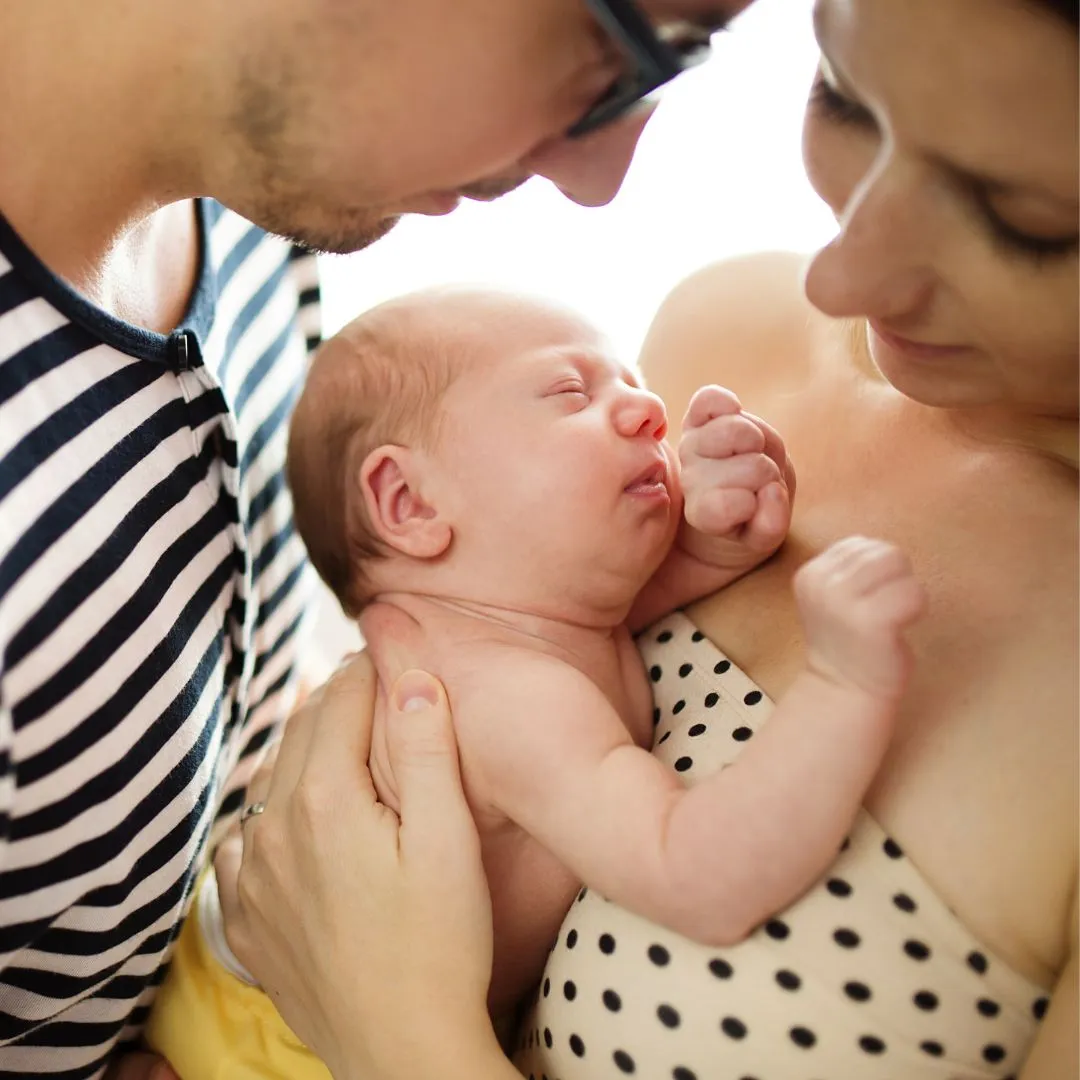

After several months of pregnancy and the intensity of childbirth, the arrival of the baby marks the beginning of a new family life. All attention naturally turns to the newborn, but this period also represents a major upheaval for the mother.
Postpartum, sometimes called the fourth trimester of pregnancy, is a period of physical recovery and emotional adaptation. Between new habits, fatigue, and many discoveries, it is important not to forget one's own needs.
Postpartum: how long does this period last?
Postpartum refers to the period following childbirth. The first weeks are particularly important for physical recovery and daily adjustments. However, adapting to this new life can take several months.
Every mother experiences this period differently. Some find their bearings quickly, while others need more time to recover and get used to their new daily routine.
The essential thing is to respect your own rhythm, without trying to immediately return to your pre-pregnancy habits.
Physical changes after childbirth
After pregnancy and childbirth, the body needs time to recover. Hormonal changes, potential pain, sensitivity of the perineum, or fatigue are part of the possible manifestations of postpartum.
This period can sometimes be exhausting, especially when nights are interrupted and the baby's needs require a lot of energy.
It is important to grant yourself rest, to gradually resume your activities, and not to try to get back your pre-pregnancy body too quickly.
Emotions after birth: understanding the baby blues
The arrival of a baby can be accompanied by very different emotions. The joy of meeting your child can coexist with moments of doubt, sadness, anxiety, or vulnerability.
The baby blues are common in the days following childbirth. They can manifest as crying, hypersensitivity, or mood swings. They are generally temporary and disappear spontaneously within a few days.
When the malaise persists, intensifies, or becomes difficult to live with daily, it is important to talk to a healthcare professional. Postpartum depression can occur and requires appropriate support.
It is essential to remember that not all mothers experience this period the same way and that there is no shame in asking for help.
Taking care of yourself after childbirth without guilt
During the first weeks, the baby's needs naturally take up a lot of space. However, taking care of yourself remains essential to living through this period well.
A few simple gestures can help with better recovery:
Rest whenever the opportunity arises.
Take time to eat and stay well hydrated.
Accept leaving certain household chores aside.
Set aside a few moments for yourself, even short ones.
Do not compare yourself to other mothers or idealized images of motherhood.
Taking care of yourself does not mean neglecting your baby. It also means giving yourself the means to live this new stage in better conditions.
Getting support during postpartum
After birth, support from those around you can make a real difference. A prepared meal, some grocery shopping, help with older children, or simply someone available to listen can lighten daily life.
Beyond the help of loved ones, various professionals can also accompany new parents according to their needs: postnatal follow-up, breastfeeding, recovery after childbirth, or emotional support. These exchanges allow for tailored advice, sharing concerns, and finding answers to questions that may arise during the first weeks with the baby.
It is not necessary to wait until encountering a significant difficulty to ask for help. Having questions, feeling the need to talk, or simply wishing to be accompanied are already good reasons to turn to a professional.
Postpartum: finding your own balance
The first weeks with the baby do not always go as imagined. You have to learn to know your child, discover their needs, and gradually find a new family rhythm.
Some days will be easier than others, and that is completely normal. It is not necessary to master everything immediately or to try to be a perfect mother.
The essential thing is to listen to yourself, respect your limits, and surround yourself with people you feel confident with.
In conclusion
Postpartum is an important stage of motherhood, which deserves as much attention as pregnancy and birth.
Taking the time to recover, welcoming your emotions, and accepting support from those around you allows you to go through this period with more serenity.
Every mother progresses at her own pace and every experience is different.
Because after the birth of the baby, the mother also needs attention, gentleness, and accompaniment.