
Chinese medicine and the female body: a different approach
Unlike an approach that treats an isolated symptom, Chinese medicine considers the body as a whole where everything is linked: the menstrual cycle, sleep, digestion, stress and vital energy (the famous "Qi") influence each other.
For Chinese medicine, many female disorders stem from an imbalance between certain energetic functions, particularly those associated with the Liver, Spleen and Kidney meridians. Rebalancing these meridians, through acupuncture, moxibustion, cupping, Chinese pharmacopoeia products, or lifestyle advice, often makes it possible to act on the cause rather than just the symptom.
The most commonly relieved female disorders
Painful periods and irregular cycles
Period pain is not an inevitability to be endured every month. Acupuncture is recognized for its effect on energy and blood circulation in the pelvic region, which can reduce the intensity of pain and help regulate an irregular cycle.
Premenstrual Syndrome (PMS)
Irritability, tender breasts, bloating, mood swings: PMS affects a large proportion of women. By working on the overall energetic balance, Chinese medicine aims to alleviate these recurring symptoms rather than simply masking them.
Fertility and conception support
Many women turn to acupuncture as a complement to a fertility journey, including ART (Assisted Reproductive Technology). It can contribute to improving uterine blood circulation, reducing stress related to the process, and supporting general hormonal balance.
Menopause and perimenopause
Hot flashes, sleep disturbances, fatigue, mood swings: this natural transition can be experienced more serenely thanks to adapted support, and can offer an alternative for women who do not wish to use hormonal treatment. Acupuncture can also be complementary to hormonal treatments.
How does a Chinese medicine consultation take place?
A first consultation always begins with a full assessment: history, lifestyle habits, menstrual cycle, sleep, digestion, stress levels. This listening time is essential: it allows for the identification of deep imbalances, not just visible symptoms.
Depending on needs, the treatment may combine:
acupuncture and moxibustion to stimulate specific points and restart energetic circulation;
Chinese pharmacopoeia or herbal medicine, as a supplement;
personalized advice on diet and lifestyle according to the principles of Chinese dietetics;
Why choose a complementary, and not substitutive, approach
It is important to remember: Chinese medicine is not intended to replace gynecological follow-up or medical treatment prescribed by your doctor. It is part of a complementary approach, within a logic of prevention, support and overall well-being.
Do you recognize yourself in these situations?
If you suffer from painful periods, difficult-to-live-with PMS, menopause-related disorders, or if you are going through a fertility journey and want complementary support, a consultation allows for a personalized assessment of your situation and to define an adapted care plan together.
Every woman is different, every cycle is different: a tailor-made approach makes all the difference.
Do not hesitate to get in touch for an initial consultation to discuss your situation. It is often the first step that allows you to move out of discomfort that has been present for months, or even years.
This article is provided for informational purposes and does not replace a medical consultation. Traditional Chinese medicine is a complementary support to conventional medicine.
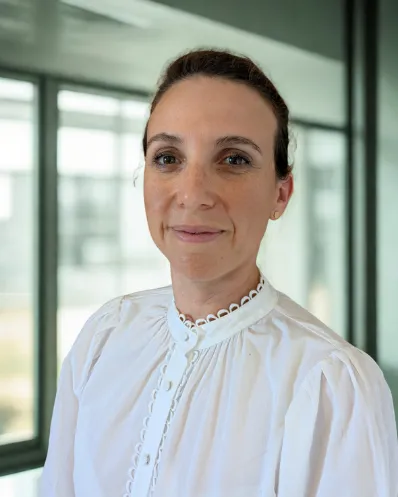
Article written in collaboration with Nour Chaabane, practitioner in traditional Chinese medicine at the Santé & Méridiens practice — Sante-meridiens.ch. Consultations in Geneva (rue de Carouge) and Veyrier.